

When most people think of travel health risks, they picture diseases like malaria, typhoid, or yellow fever. Yet one of the most widespread and potentially life-threatening infections—Hepatitis B—is often overlooked. While it is commonly linked with international travel, particularly to areas with limited healthcare infrastructure, the truth is that Hepatitis B is not just a travel-related concern. It affects millions of people globally, including those who never leave their home country.
At Hemel Hempstead Travel Clinic, we frequently meet patients who are surprised to learn that the risk of Hepatitis B extends far beyond airports and holiday destinations. Understanding the disease, its transmission routes, and the protection offered by vaccination is vital—not only for travellers but for anyone concerned about their long-term health.
What is Hepatitis B?
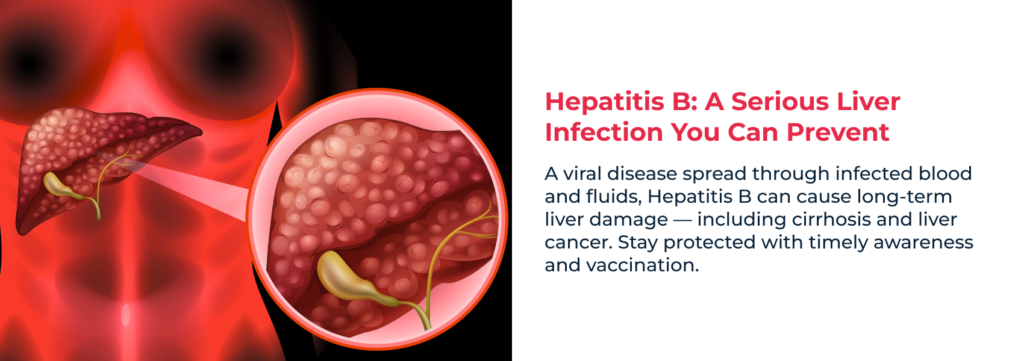
Hepatitis B is a viral infection that attacks the liver. Caused by the Hepatitis B virus (HBV), it can lead to both acute (short-term) illness and chronic (long-term) infection. Unlike Hepatitis A, which is spread through contaminated food and water, Hepatitis B is transmitted through contact with infected blood and bodily fluids. This makes it a disease that can affect people in everyday life, not just while travelling abroad.
Once inside the body, the virus targets liver cells, causing inflammation and sometimes permanent damage. Over time, chronic Hepatitis B can lead to cirrhosis (scarring of the liver), liver failure, and even liver cancer. The World Health Organization estimates that over 250 million people worldwide are living with chronic Hepatitis B, making it a serious global health issue.
Why It’s Not Just a Travel Concern
While travellers are at heightened risk—especially in regions with poor healthcare facilities or higher infection rates—Hepatitis B is also a local issue. You don’t need to board a plane to come into contact with the virus. Everyday activities and accidents can be sources of exposure.
For example, anyone who undergoes medical treatment, dental care, body piercing, or tattooing could be exposed if proper hygiene and sterilisation practices are not followed. Healthcare workers, carers, and people who live with someone who has chronic Hepatitis B are also at risk. Even sharing razors or toothbrushes with an infected person can transmit the virus.
At Hemel Hempstead Travel Clinic, we see patients who are travelling to Asia, Africa, or Eastern Europe, where infection rates are higher. But we also vaccinate people who are at risk due to work, lifestyle, or family circumstances right here in the UK. The message is clear: Hepatitis B protection is not just for travellers—it’s for everyone.
How Hepatitis B Spreads
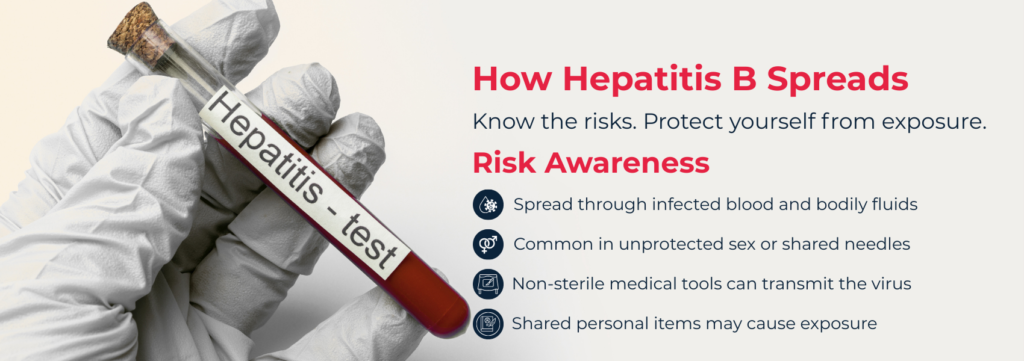
Unlike illnesses passed through casual contact such as coughing or sneezing, Hepatitis B requires direct exposure to infected blood or bodily fluids. Some of the most common transmission routes include:
- Unprotected sexual contact with an infected person
- Sharing needles or other drug-injecting equipment
- Medical or dental procedures with non-sterile instruments
- Sharing razors, toothbrushes, or nail clippers
- Birth from an infected mother to her baby
- Occupational exposure for healthcare workers
These routes of transmission show why Hepatitis B is considered both a public health and personal health issue. It’s not restricted to certain lifestyles or countries—anyone can be exposed under the wrong circumstances.
Symptoms: Recognising the Silent Threat
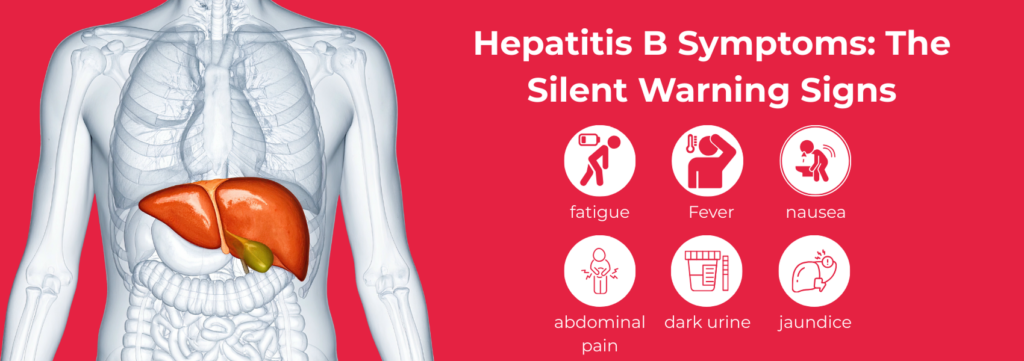
One of the most dangerous aspects of Hepatitis B is that many people don’t realise they’re infected. In fact, symptoms can be mild, vague, or completely absent. This is why the virus is sometimes called a “silent infection.”
When symptoms do appear, they may include:
- Fatigue
- Fever
- Nausea or vomiting
- Abdominal discomfort, particularly around the liver
- Dark urine
- Jaundice (yellowing of the skin and eyes)
While some people recover fully from acute infection, others develop chronic Hepatitis B without ever knowing they’ve been infected. This makes vaccination the most reliable form of protection.
Why Vaccination Matters
Unlike many diseases, Hepatitis B cannot be cured with medication once it becomes chronic. Treatment exists to manage the virus, but prevention is far more effective than relying on long-term therapy. The vaccine against Hepatitis B is safe, effective, and provides long-lasting protection.
At Hemel Hempstead Travel Clinic, we provide the full vaccination course for both travellers and local residents. Depending on your circumstances, the vaccine can be given in:
- A standard 3-dose schedule (0, 1, and 6 months)
- An accelerated schedule for those needing urgent protection before travel
- Combined vaccines (such as Hepatitis A + B) for broader protection
Once completed, the vaccine usually provides lifelong immunity for most people. For individuals at ongoing risk, a blood test can confirm immunity or indicate whether a booster dose is needed.
Who Should Consider the Hepatitis B Vaccine?
The truth is that anyone can benefit from protection. However, certain groups are considered at higher risk and are strongly advised to get vaccinated:
- Travellers to regions with high infection rates (Asia, Africa, South America, Eastern Europe)
- Healthcare workers, carers, and emergency service staff
- People who may require medical or dental procedures abroad
- Individuals who receive regular blood transfusions or dialysis
- People engaging in unprotected sex with new or multiple partners
- Babies born to infected mothers
- Anyone getting tattoos, piercings, or acupuncture in areas with uncertain hygiene standards
By tailoring vaccination advice to personal risk factors, Hemel Hempstead Travel Clinic helps ensure that every patient receives the protection they need.
Hepatitis B and Travel: Why Risk is Higher Abroad
Although Hepatitis B is not confined to travel, certain risks are magnified overseas. For example, in many developing countries, medical equipment may not always be adequately sterilised, and blood supplies may not be screened to the same standard as in the UK. Emergency surgery after an accident can therefore become a source of exposure.
Even everyday travel experiences can present risks. A spontaneous decision to get a tattoo while on holiday, or an accident requiring stitches, can increase the likelihood of infection. Travellers should also consider cultural practices that may involve shared blades or needles.
This is why Hepatitis B vaccination is one of the most commonly recommended immunisations for international travel.
Prevention Beyond the Vaccine
While vaccination is the most reliable defence, taking additional precautions can further reduce risk:
- Practise safe sex by using barrier protection methods
- Avoid sharing personal hygiene items like razors or toothbrushes
- Ensure all medical or dental treatments are carried out with sterile equipment
- Be cautious with tattoos, piercings, or cosmetic procedures, especially abroad
- Cover any open wounds or cuts to avoid exposure
These steps, combined with vaccination, offer comprehensive protection.
Why Choose Hemel Hempstead Travel Clinic?
At Hemel Hempstead Travel Clinic, we are committed to providing expert advice and vaccinations tailored to your needs. Whether you’re travelling abroad or simply want peace of mind at home, our experienced clinicians can:
- Assess your risk factors through a detailed consultation
- Offer the appropriate vaccination schedule, including accelerated options
- Provide additional travel health services (such as malaria protection and other vaccines)
- Offer guidance on broader health and safety practices during travel
Our goal is to ensure that you and your family are protected, not only against travel-related illnesses but also against infections that can affect your everyday life.
Conclusion
Hepatitis B is often wrongly thought of as just a “traveller’s disease.” In reality, it’s a serious infection that can affect anyone, anywhere. While global travellers are at particular risk, the routes of transmission show that no one is immune. Thankfully, vaccination offers reliable, long-lasting protection.
By visiting Hemel Hempstead Travel Clinic, you can take proactive steps towards safeguarding your health—whether you’re preparing for an international trip or simply ensuring your everyday safety.
FAQs
No. Hepatitis B is not spread by hugging, shaking hands, sharing food, or sitting next to someone. It requires direct contact with infected blood or bodily fluids.
For most people, the full vaccine course provides long-term—often lifelong—protection. In some cases, especially for those at continued risk, a blood test may be recommended to confirm immunity.
While not as widespread as in some regions, Hepatitis B does exist in the UK. Transmission can occur through unprotected sex, shared needles, or household contact with infected individuals.
It’s important to complete the recommended doses for maximum protection. If you miss a dose, the course can often be resumed without starting over—consult your clinic for advice.
There is currently no cure for chronic Hepatitis B. Treatments are available to manage the infection and prevent complications, but vaccination remains the best protection.
We provide tailored consultations, experienced clinicians, and flexible vaccine schedules—including urgent appointments for last-minute travellers. Our clinic combines medical expertise with personal care to keep you safe.